Robot vacuums have been around long enough to collect a fair amount of folklore. Some of it is outdated, based on the clumsy machines of a decade ago, and some of it is marketing spin pulling in the opposite direction. Either way, the myths lead people to buy the wrong machine, or to dismiss one that would have suited them well. Clearing up the most common misconceptions makes for a far better decision.
Key Takeaways
- More suction is not automatically better; design and filtration matter more.
- Robot vacuums handle pet homes well when the machine is built for it.
- They are not only for hard floors, and not all models are interchangeable.
- A robot supplements rather than fully replaces occasional deep cleaning.
Myth 1: More Suction Always Means a Better Clean
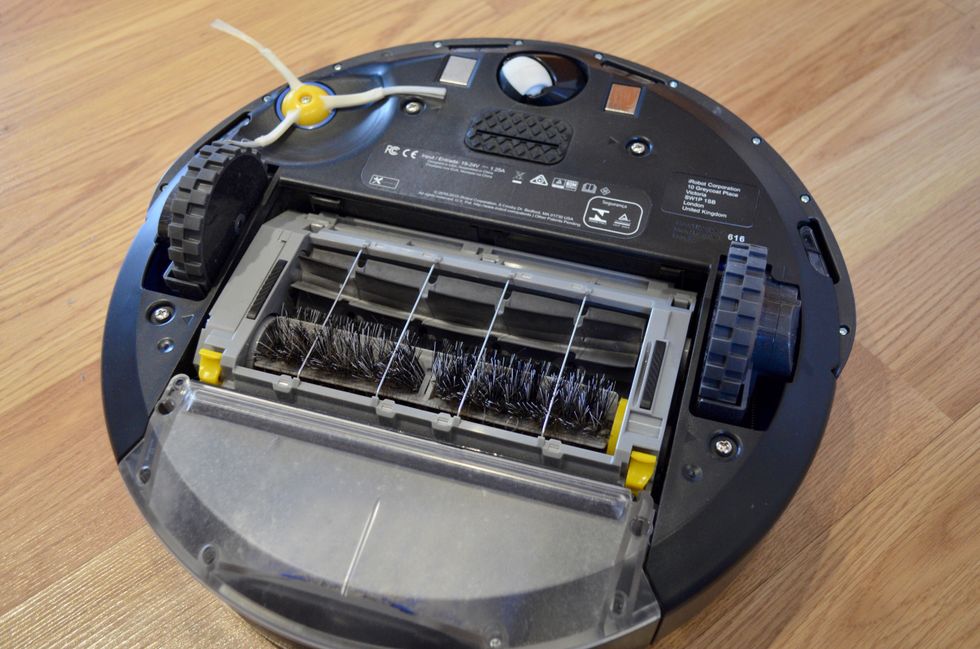
 Myth 1: More Suction Always Means a Better Clean GearBrain
Suction figures are the number manufacturers love to advertise, but they tell only part of the story. Brush design, filtration, how well the machine navigates, and how consistently it runs matter at least as much. A machine with modest suction that covers the whole floor every day keeps a home cleaner than a powerful one that misses half the room and clogs quickly. Judge the whole system rather than a single headline number.
Myth 2: Robot Vacuums Can't Cope With Pets
This one is half true, which is what keeps it alive. A cheap, general-purpose robot with a stiff bristle brush genuinely does struggle with pet hair, tangling and clogging within days. A machine designed for animal households is a different proposition, with anti-tangle brushes, sealed filtration for dander, and the capacity to handle the volume. The mistake is judging the whole category by its weakest members, when guidance on the best robot vacuum cleaner for pet hair points to models that manage shedding homes comfortably.
Myth 3: They Only Work on Hard Floors
Early robots were weak on carpet, and the reputation stuck. Modern machines vary widely, with many detecting carpet and boosting suction on it, though deep or high-pile carpet still challenges the category more than hard floors do. The honest position is that carpet performance depends heavily on the model, so it is worth checking rather than assuming either that all robots fail on carpet or that all handle it easily.
Myth 4: They're All Basically the Same
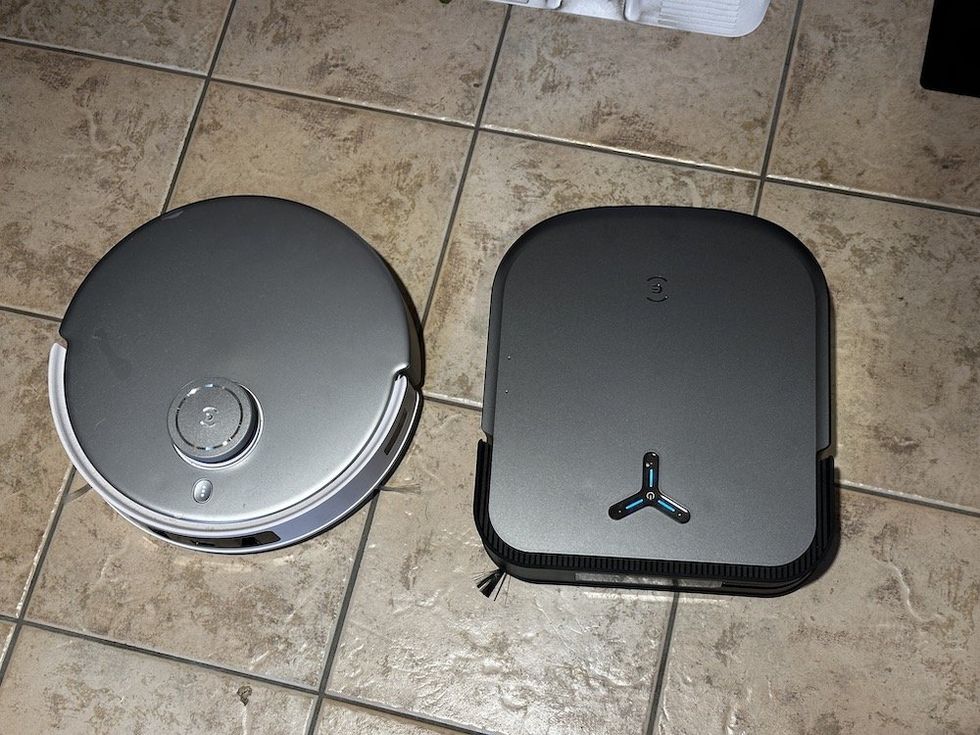
 Myth 4: They're All Basically the Same GearBrain
From the outside, one round robot looks much like another, but the differences in navigation, mopping, filtration, and maintenance are large. The gap between a machine that maps your home and cleans methodically and one that bumps around at random is enormous in daily use. This is exactly why matching the machine to your situation matters, and why a guide to the best robot vacuum for different home types is more useful than any single overall winner.
Myth 5: A Robot Replaces All Your Cleaning
A robot vacuum is maintenance, not a full substitute for every clean. It keeps the daily dust, crumbs, and hair under control brilliantly, which reduces how often you need a thorough clean. It will not move furniture, reach every tight corner, or deep-clean a carpet. Expecting it to keep floors maintained rather than to do everything literally is the expectation that leaves owners satisfied.
Judge the Machine, Not the Reputation
Most robot vacuum myths come from either the clumsy early models or from marketing that oversells. The reality sits in between. These machines are genuinely capable when matched to your floors, your pets, and your home, and genuinely disappointing when bought on a myth. Look past the folklore and the headline suction number, choose for your actual situation, and a robot vacuum earns its place. Believe the myths, and you either miss out or buy the wrong one.
From Your Site Articles
Related Articles Around the Web
 Myth 1: More Suction Always Means a Better Clean GearBrain
  Myth 4: They're All Basically the Same GearBrain