The Conversation (0)

A smart home should help you feel safer, manage household expenses, and make everyday life easier. But buying connected devices doesn't necessarily mean they'll deliver those benefits. Vivint’s second annual How We Home Report highlights that gap, revealing strong adoption alongside persistent challenges with installation, integration, and everyday use.
According to the company’s newly released research, 78% of U.S. homeowners own at least one smart home device, and 61% purchased one within the past 12 months. Yet nearly half own at least one device they rarely or never use, while 22% say they purchased a device they never installed.
Those findings make this report relevant well beyond Vivint’s customer base. Whether you have a professionally installed security system, use a mix of products from different manufacturers, or are planning your first smart home purchase, the research offers a useful starting point: focus on the household problem you want to solve, then evaluate how the technology will fit into your daily routine.
 Security Remains the Leading Smart Home Priority Vivint
Home security and protection top homeowners’ expectations for future smart home technology. Popular devices include video doorbells, security cameras, smart lighting, and smart locks or keyless entry systems.
The report finds that 46% of homeowners are more concerned about theft affecting their home or property than they were five years ago. About one in five say they feel less safe at home than they once did, citing concerns including crime, economic conditions, and severe weather.
Package deliveries are another worry. More than half—52%—believe porch piracy is increasing, while 22% report having a package stolen after delivery. These figures describe respondents’ experiences and perceptions; they do not independently establish a national increase in theft.
For homeowners, the practical lesson is to match security purchases to specific vulnerabilities. If deliveries are the main concern, consider how a doorbell camera’s field of view covers the package area, how notifications reach you, and whether accessing recorded video requires a subscription. If access is the issue, evaluate entry sensors, locks, and household permissions.
Existing Vivint customers can use these findings to review whether their system’s coverage and alerts still meet their needs. People using other brands can apply the same approach without switching platforms. Useful protection depends on appropriate placement, reliable operation, and a clear response plan.
 Vivint Smart Lighting Switch GearBrain
Rising household costs are giving smart home technology another practical role: helping people understand and manage energy consumption.
In Vivint’s survey, 59% of homeowners report higher energy bills over the past year, and 63% say they are more concerned about energy expenses than they were five years ago. Approximately one-third report spending at least $300 a month on utilities during peak summer and winter months.
Meanwhile, 37% use smart home technology to manage, track, and reduce energy consumption, and 31% identify managing energy use as a leading reason to buy smart devices.
These numbers suggest that energy features deserve attention alongside cameras and alarms. Before buying, homeowners should determine what they need: temperature scheduling, remote adjustments, usage information, or a broader view of household consumption. A device that controls one appliance serves a different purpose from a system designed to monitor more of the home.
For Vivint customers, the report provides a reason to ask which energy-related features their installed equipment supports and whether those features are configured around their routines. Non-Vivint customers can use it to assess their existing thermostat or other energy devices before adding more hardware.
The survey does not measure verified utility savings. Homeowners should compare their own energy use over time and account for weather, utility rates, and changes in occupancy when evaluating results. Homeowners should also weigh anticipated savings against equipment, installation, and ongoing service costs.
 Installation and Integration Matter as Much as Hardware GearBrain
One of the report’s most revealing findings concerns devices that never become useful parts of the home.
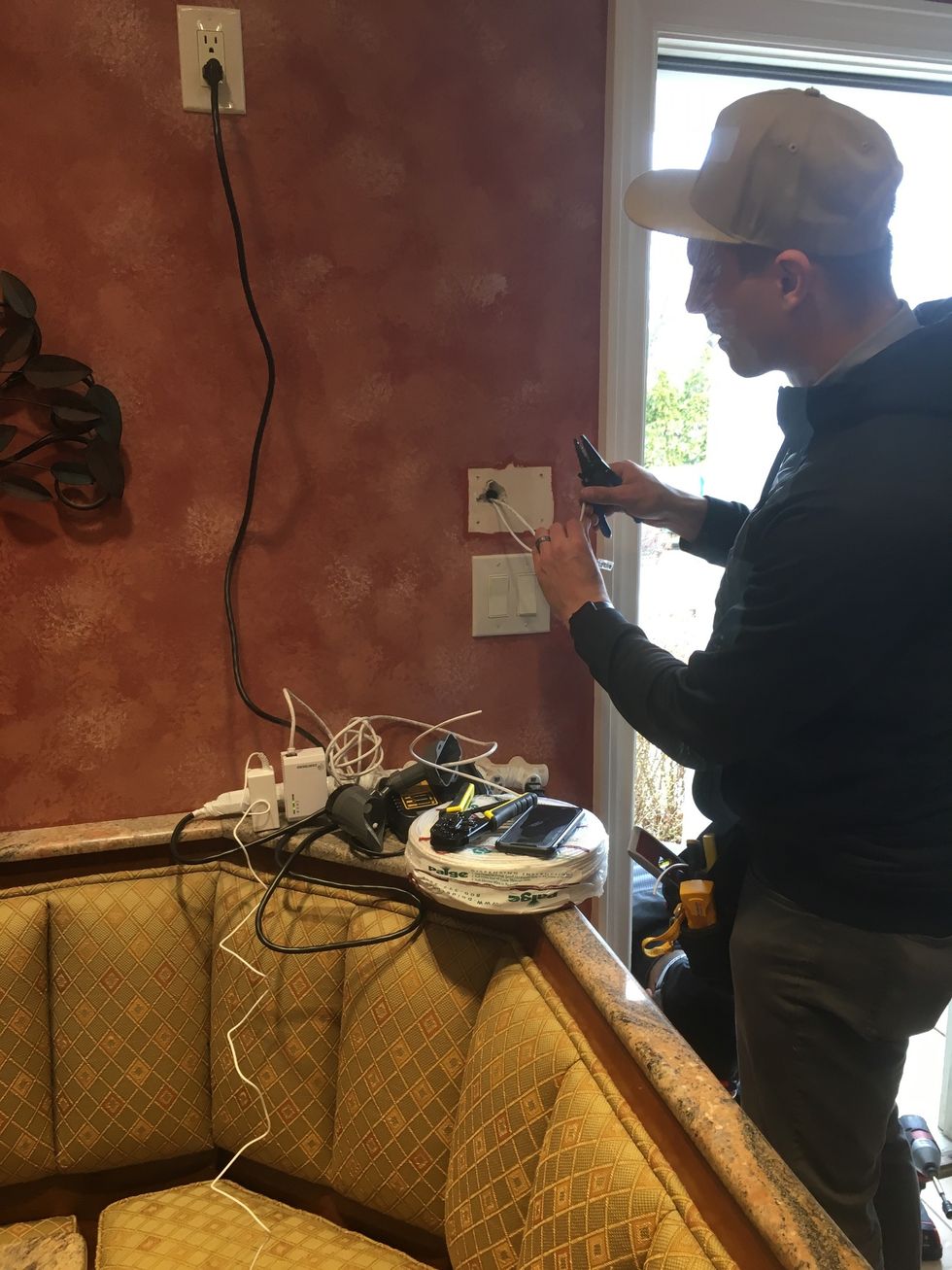
With nearly half of respondents rarely or never using at least one smart device, ownership alone is clearly an incomplete measure of success. The finding that 22% bought a device they never installed reinforces the importance of considering setup before checkout.
Among homeowners, 34% say ensuring correct installation is the primary reason they might choose professional installation. Another 22% identify controlling multiple devices through one app or platform as a main advantage of integration.
Professional installation may be valuable when homeowners need help with wiring, placement, configuration, or coordinating devices. However, these results do not prove that DIY installation is unsuitable for everyone or that professional installation guarantees flawless performance.
The better question is whether the chosen approach produces a system the household can use with confidence. Before an installation is complete, ask for a demonstration of everyday controls, notifications, household access, and any configured automations.
For Vivint customers, that means using installation guidance and asking for help with confusing features. For other homeowners, it could mean choosing simpler equipment, using manufacturer support, or hiring an installer for specific tasks.
Compatibility deserves equal attention. Before buying an additional device, verify the exact model, supported functions, hub requirements, and subscription dependencies. Devices appearing in one app do not automatically mean every feature can work together.
The report also shows how changing lifestyles influence technology purchases.
Forty-two percent of homeowners are caring for a family member or expect to within the next five years. The research highlights interest in remote wellbeing checks and emergency notifications, with 45% of caregivers identifying getting help quickly during emergencies as their greatest concern.
For families, this makes planning especially important. Who receives an alert? Who can respond? Has the person being monitored agreed to the arrangement? Does the selected device support the specific function the family needs?
The report’s caregiving findings should not be interpreted as evidence that an ordinary security camera or motion sensor provides fall detection or medical monitoring. Families should verify those capabilities separately and understand what service, if any, responds to an emergency.
Travel creates another use case. Thirty percent of homeowners say they would purchase smart devices to protect their homes and belongings while traveling, while about one in five identify remote monitoring during travel as a leading reason to invest in smart home security.
Before leaving, homeowners can use those priorities to test remote access, review notifications, check access permissions, and confirm who will respond if something needs attention.
 Vivint SmartHome trucks arriving at a home for installation. GearBrain
For existing Vivint customers, the research offers a framework for reviewing the system they already own.
Start with current household priorities. Have work schedules changed? Is a relative now receiving care? Are energy expenses becoming harder to manage? Are there devices or settings nobody uses because they are confusing?
Those questions can guide a conversation with Vivint about supported features, configuration, and possible additions. They can also reveal opportunities to get more value from equipment already installed.
The report gives customers a useful standard for judging their experience: does the system make everyday tasks easier, provide relevant information, and help the household act when necessary? Adding equipment makes sense when it addresses a clear gap.
Homeowners do not need a Vivint system to benefit from these findings. The concerns identified—security, energy costs, setup difficulties, and changing family needs—apply across the smart home market.
Someone using several brands can begin with a device inventory. Identify what gets used, what remains uninstalled, which subscriptions are active, and which features overlap. Then decide whether the next step should be better configuration, installation assistance, or a carefully chosen new product.
The report also provides questions to ask any provider: Which functions work together? What costs recur? What happens when internet service fails? Can other household members use the system easily? What support is available after installation?
For Vivint, the findings can guide product development, customer education, and installation services toward the problems respondents describe. They also support the company’s positioning around integrated, professionally installed systems. That commercial context matters when interpreting company-sponsored research.
Vivint’s 2026 How We Home Report points to a practical opportunity: help homeowners get useful results from the devices they purchase.
For some households, professional installation and a centrally managed system will be appealing. Others may prefer to select and install individual products. Either approach requires checking compatibility, understanding ongoing costs, and making sure everyone who needs access can use the technology.
Before adding another device, identify one task you want to improve. Verify that the product supports it, determine how it fits with existing equipment, and test the result after setup. That process makes the report useful to both Vivint and non-Vivint customers—and helps turn smart home ownership into everyday value.
Methodology: According to Vivint’s release, OnePoll conducted an online survey of 5,000 U.S. homeowners in September 2026, commissioned by Vivint and conducted in accordance with the Market Research Society’s code of conduct. The findings reflect homeowners’ reported experiences and opinions; they do not establish product performance or represent all renters and U.S. adults.
Source: Vivint’s supplied November 5, 2026 announcement. Visit Vivint’s How We Home report page for more information.
And remember to check out our smart home compatibility find engine, to find other security cameras, including ones that are compatible with Google Assistant and Amazon Alexa-enabled devices.
GearBrain Compatibility Find Engine
A pioneering recommendation platform where you can research,
discover, buy, and learn how to connect and optimize smart devices.
Join our community! Ask and answer questions about smart devices and save yours in My Gear.