Choosing a smart home security system isn't as simple as buying a video doorbell or installing a few cameras anymore. Today's systems combine smart cameras, video doorbells, smart locks, sensors, alarms, cloud services, AI-powered detection, and home automation into one connected platform.
Whether you're protecting an apartment, condo, townhouse, or large family home, understanding how these systems differ can save you money while helping you buy a system that fits your lifestyle.
Below are answers to the most common questions consumers ask before purchasing a smart home security system.
What Is a Smart Home Security System?
A smart home security system combines connected devices that work together to monitor your home and send alerts to your smartphone.
Typical components include:
- Video doorbells
- Indoor cameras
- Outdoor security cameras
- Motion sensors
- Door and window sensors
- Glass break sensors
- Smart locks
- Smart lights or smart flood light camera
- Smoke and CO detectors
- Security hubs
- Mobile apps
- Optional professional monitoring
Unlike traditional alarm systems, smart security allows homeowners to check cameras, receive notifications, arm or disarm the system remotely, and automate routines.
Which Smart Home Security Brand Is Best?
 All the new devices can be controlled through the Ring app Ring
There isn't one "best" system for everyone.
Each platform excels in different areas.
Ring
Best for:
Pros
Cons
- Many features require a Ring Home subscription
- Best experience within the Amazon ecosystem
- Limited compatibility with non-Ring smart devices or home security systems.
Abode
 Abode Securit Kit Abode
Best for:
- DIY smart home enthusiasts
- Apple HomeKit users
- Homes with mixed smart home ecosystems
- Flexible automation without long-term contracts
Pros
- Excellent support for Apple HomeKit, Amazon Alexa, Google Home, Samsung SmartThings, Matter, Zigbee, and Z-Wave
- Easy DIY installation with optional professional monitoring
- Powerful home automation and geofencing features
- Wide selection of security, environmental, and safety sensors
- No long-term monitoring contracts required
- Strong privacy controls and local automation capabilities
Cons
- Higher upfront hardware cost than some DIY competitors
- Some advanced features require a paid monitoring plan
- Smaller camera lineup than Ring, Arlo, or Google Nest
- Fewer third-party accessories than larger security brands
Arlo
 Arlo Wired Floodlight Camera: Comprehensive Guide to Outdoor Security Arlo
Best for:
Pros
- Excellent image quality
- Long battery life
- Flexible camera placement
Cons
- Subscription unlocks many advanced features
- Limited compatibility with smart home security systems
Google Nest
 Google Nest Cam Security camera works inside and out. GearBrain
Best for:
Pros
Cons
- Limited Apple Home compatibility
ecobee Smart Security
 ecobee Expands Smart Home Capabilities with Apple HomeKit and Philips Hue Integration ecobee/the verge
Best for:
Pros
- Smart thermostat integration
- Easy setup
- Professional monitoring available
Cons
- Smaller camera ecosystem than Ring or Arlo
ADT+
 ADT Blu Review and Buyer’s Guide: Everything You Need to Know About ADT’s New DIY Smart Home Security System www.gearbrain.com
Best for:
Pros
- Trusted security company
- Excellent monitoring
- Flexible installation
Cons
- Monitoring costs more than DIY systems
Eufy
eufy 4G LTE Cam S330 with solar panel GearBrain
Best for:
- No monthly fees
- Local storage
- Privacy-conscious homeowners
Pros
Cons
- Some advanced cloud features unavailable
SimpliSafe
SimpliSafe's new Indoor Smart Alarm Camera SimpliSafe
Best for:
Pros
Cons
- Smaller smart home ecosystem
- Limited compatibility with smart security camera and doorbell devices.
Aqara
 Aqara Smart Home Devices Aqara
Best for:
Pros
Cons
Vivint
Vivint Indoor Camera Pro GearBrain
Best for:
Pros
Cons
Do I Need Professional Monitoring?
Do I Need Professional Monitoring? www.gearbrain.com
Not necessarily.
Many homeowners self-monitor using smartphone alerts.
Professional monitoring may be worth considering if:
- You travel frequently
- You want emergency dispatch
- You prefer someone monitoring your home 24/7
Should I Choose Cloud Storage or Local Storage?
Cloud storage offers:
- Remote access
- Video history
- AI analysis
- Easy sharing
- Additional security features and automations included
Local storage offers:
- No monthly fees
- Better privacy
- Faster access
- Internet independence
Many homeowners prefer a hybrid approach.
Are Smart Security Systems Easy to Install?
 When DIY Makes Sense iStock
Most DIY systems can be installed in under an hour.
Wireless systems like Ring, Abode, Arlo, Eufy, SimpliSafe, Aqara, and ecobee typically require only:
- Smartphone app
- Wi-Fi connection
- Mounting hardware
Professionally installed systems like Vivint or some ADT+ packages require a technician for installation.
Do Smart Security Systems Work Without Internet?
Most systems continue basic operation during internet outages.
However, features like:
- Remote viewing
- Push notifications
- Cloud recording
- Voice assistants
usually require an internet connection.
Some professionally monitored systems also include cellular backup. Companies like Vivint, SimpliSafe, ADT, abode, and Ring
Can I Mix Different Brands?
 Free Amazon Echo Show 5 with Ring video doorbell. www.gearbrain.com
Yes—but compatibility varies.
Matter has improved interoperability, but not every security feature works across every platform.
For example:
- Aqara sensors work well with Apple Home and Matter hubs.
- Ring products work best with Alexa.
- Nest devices integrate tightly with Google Home.
- Vivint primarily uses its own ecosystem.
Before buying, verify compatibility with your preferred smart home platform.
Which Smart Home Platform Should I Choose?
Choose one ecosystem and build around it.
- Amazon Alexa — Ring
- Google Home — Nest
- Apple Home — Aqara or Abode
- SmartThings -- Supports many brands
- Matter — Growing cross-platform compatibility but limited automations.
Staying within one ecosystem simplifies automation and management. GearBrain can solve this problem with our smart home compatibility find engine, the GearBrain. Using the GearBrain, you can find all compatible devices that work with a particular smart device, such as Google Home or Amazon Alexa.
Are Smart Security Systems Worth the Cost?
For many homeowners, yes.
Benefits include:
- Real-time alerts
- Video evidence
- Remote monitoring
- Smart home integration
- Insurance discounts
- Increased peace of mind
The value depends on choosing the right system for your home, not the most expensive one.
What Features Should I Prioritize?
Before purchasing, focus on the features you'll use most:
- High-quality cameras
- Reliable motion detection
- Smart notifications
- Easy-to-use mobile app
- Battery backup
- Professional monitoring options
- Matter compatibility
- AI-powered person, package, and vehicle detection
- Smart lock integration
- Expandability
Should I Buy Everything at Once?
Not necessarily.
Many homeowners start with:
Later, they expand by adding:
- Outdoor cameras
- Motion sensors
- Door/window sensors
- Smoke detectors
- Leak sensors
- Smart lighting
- Alarm monitoring
Building gradually spreads out the cost while allowing you to learn what works best for your home.
Final Thoughts
Smart home security has evolved far beyond traditional alarm systems. Today's connected platforms offer everything from AI-powered cameras and smart locks to professional monitoring and whole-home automation. Whether you choose Ring, Arlo, Google Nest, ecobee Smart Security, ADT+, Eufy, SimpliSafe, Aqara, or Vivint, the best system is the one that matches your home's size, your preferred smart home ecosystem, and your comfort level with DIY installation versus professional monitoring.
For the best experience, think beyond individual devices and choose a platform that can grow with your needs. Starting with a video doorbell or security camera and expanding over time lets you build a smarter, more secure home without having to replace your entire system later.
From Your Site Articles
Related Articles Around the Web
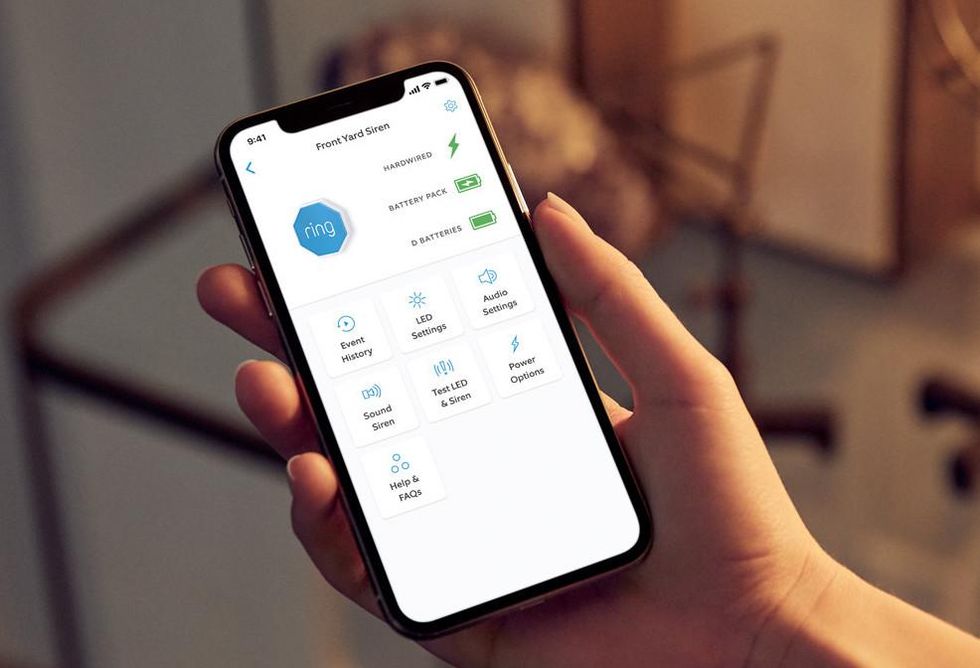 All the new devices can be controlled through the Ring app Ring
 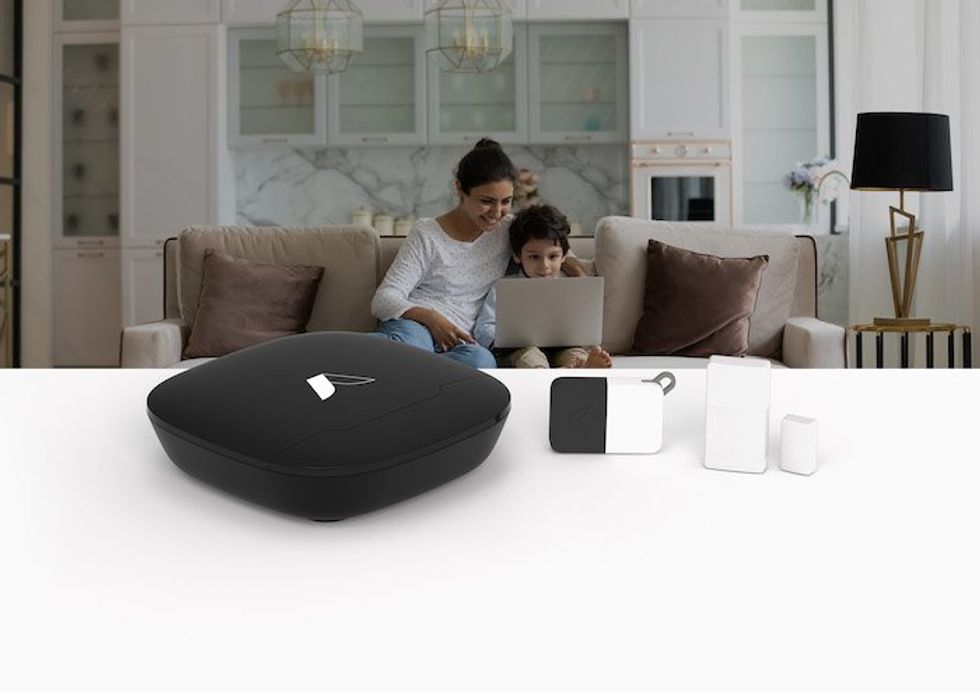 Abode Securit Kit Abode
 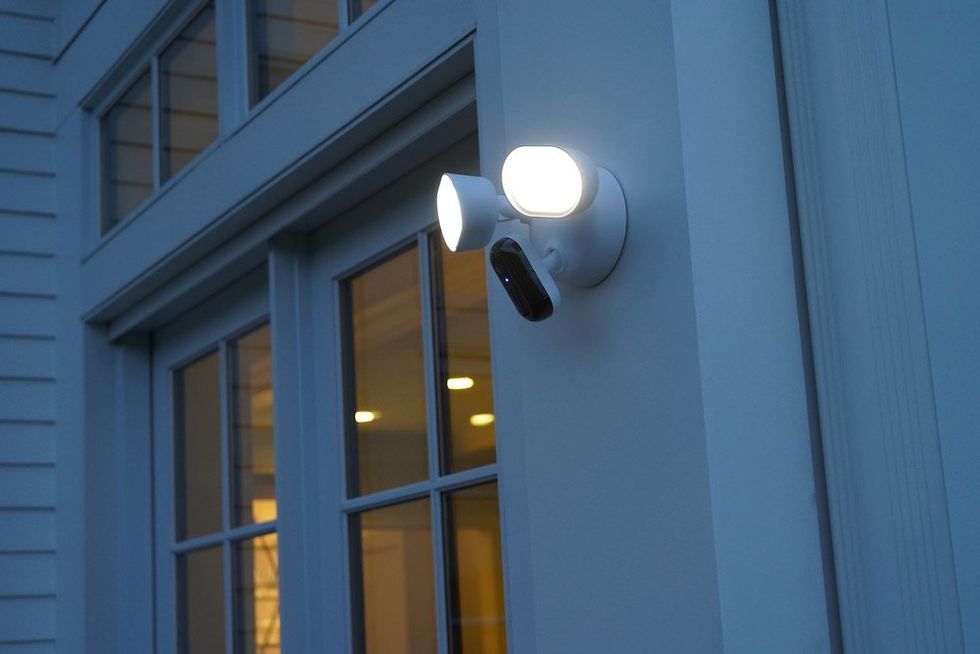 Arlo Wired Floodlight Camera: Comprehensive Guide to Outdoor Security Arlo
 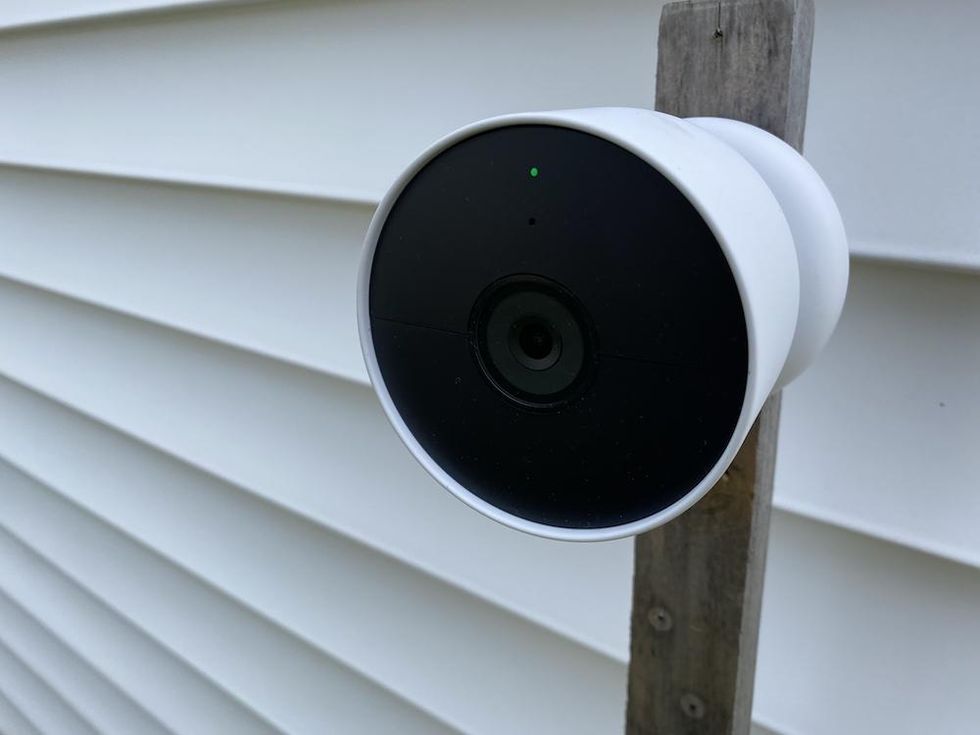 Google Nest Cam
 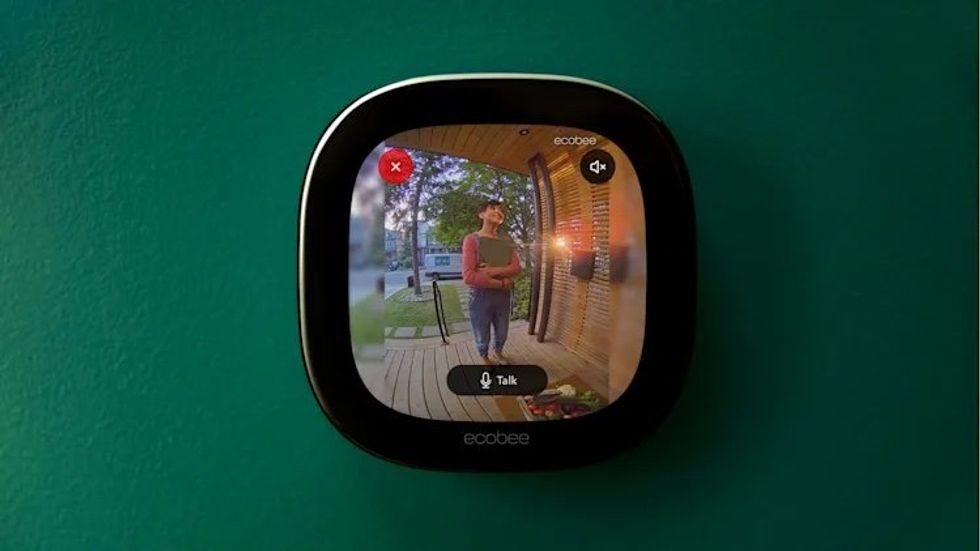 ecobee Expands Smart Home Capabilities with Apple HomeKit and Philips Hue Integration ecobee/the verge
 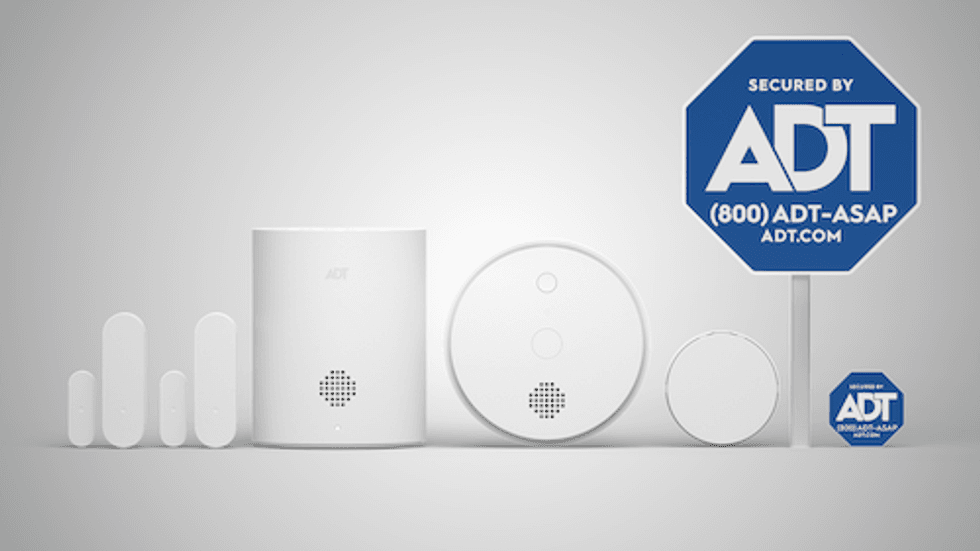 ADT Blu Review and Buyer’s Guide: Everything You Need to Know About ADT’s New DIY Smart Home Security System
 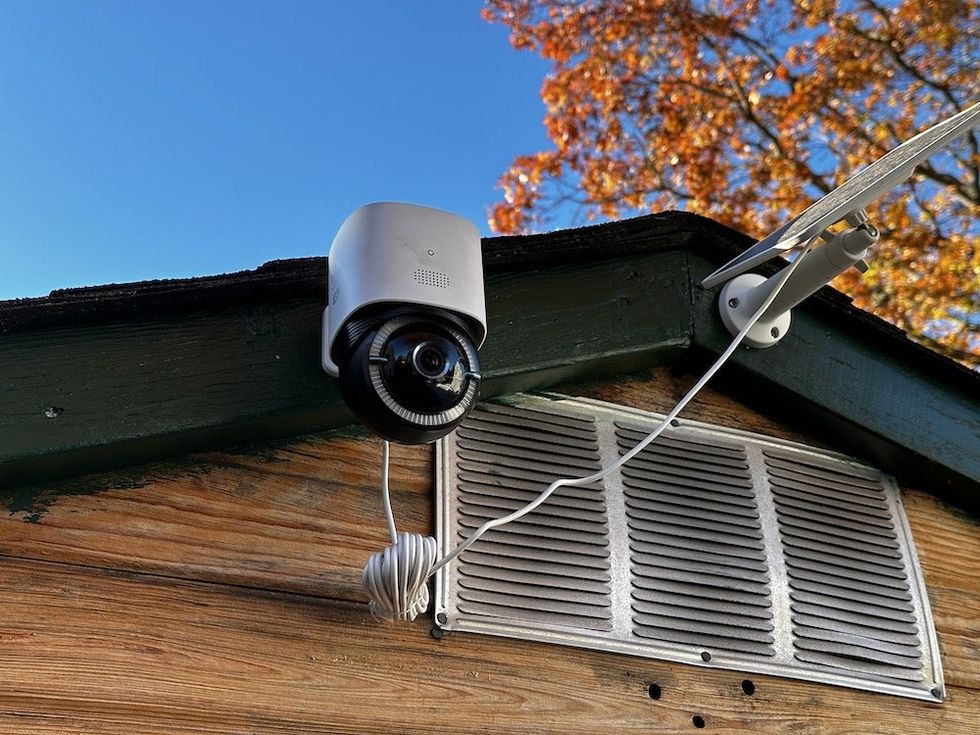 eufy 4G LTE Cam S330 with solar panel GearBrain
 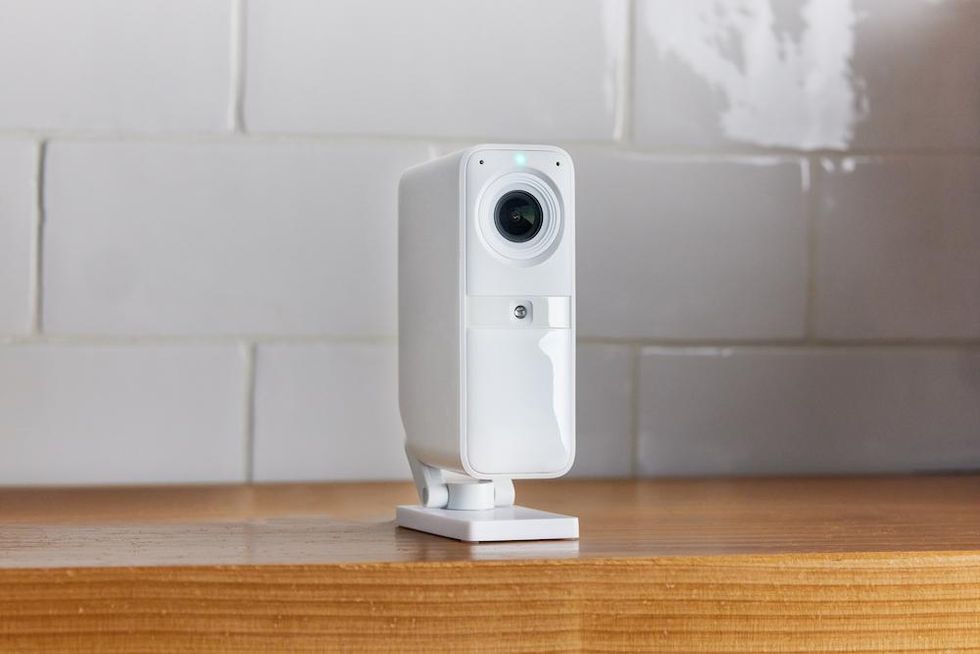 SimpliSafe's new Indoor Smart Alarm Camera SimpliSafe
 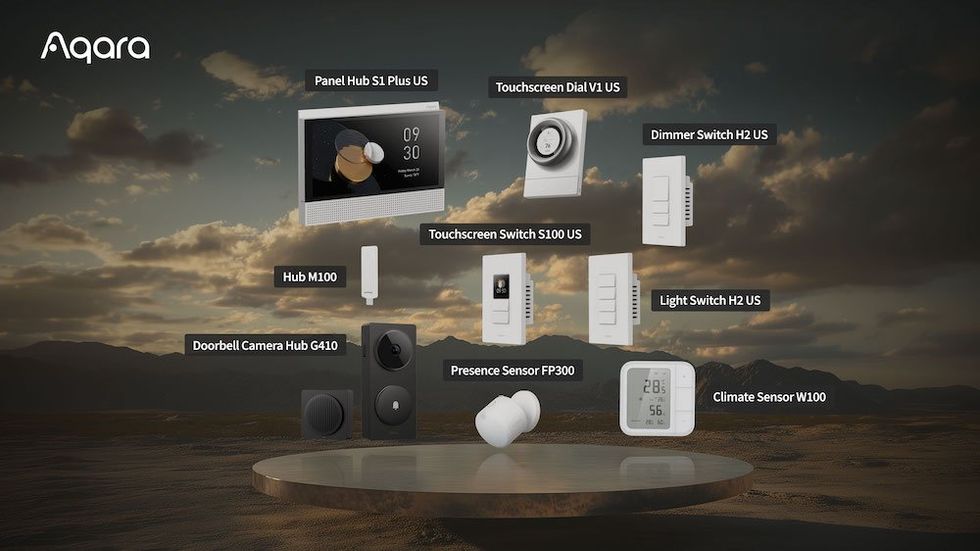 Aqara Smart Home Devices Aqara
 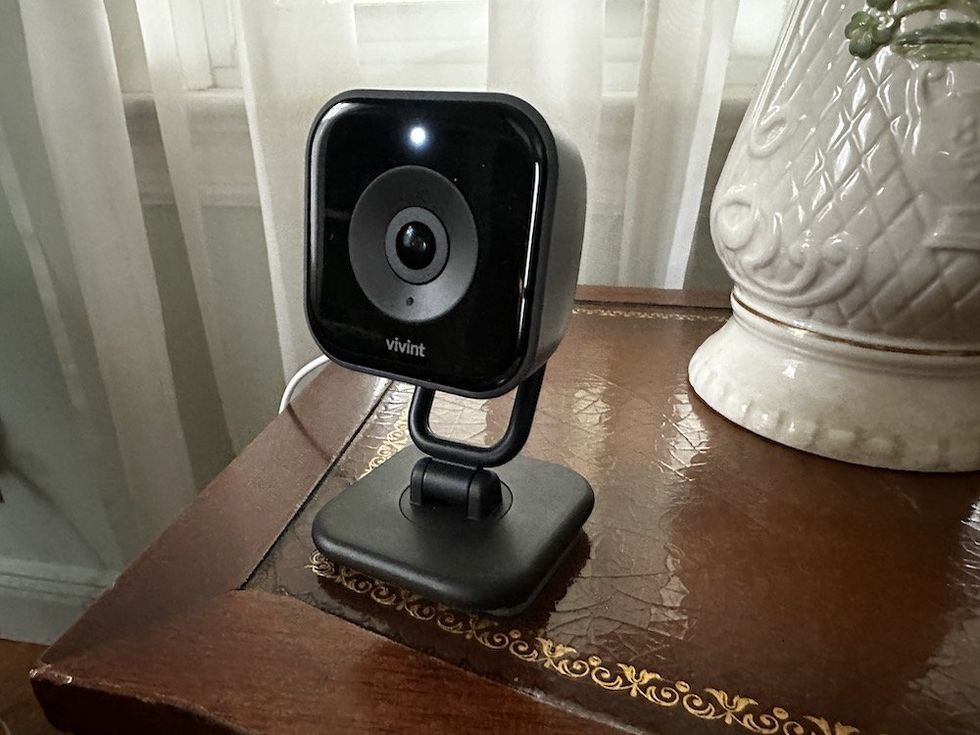 Vivint Indoor Camera Pro GearBrain
 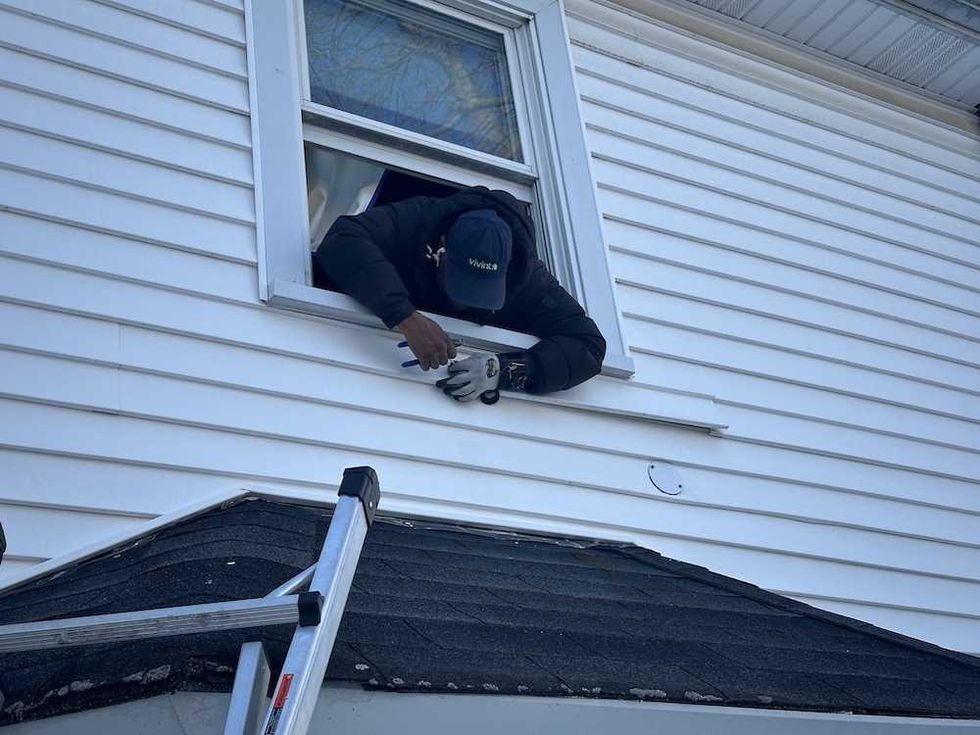 Do I Need Professional Monitoring?
 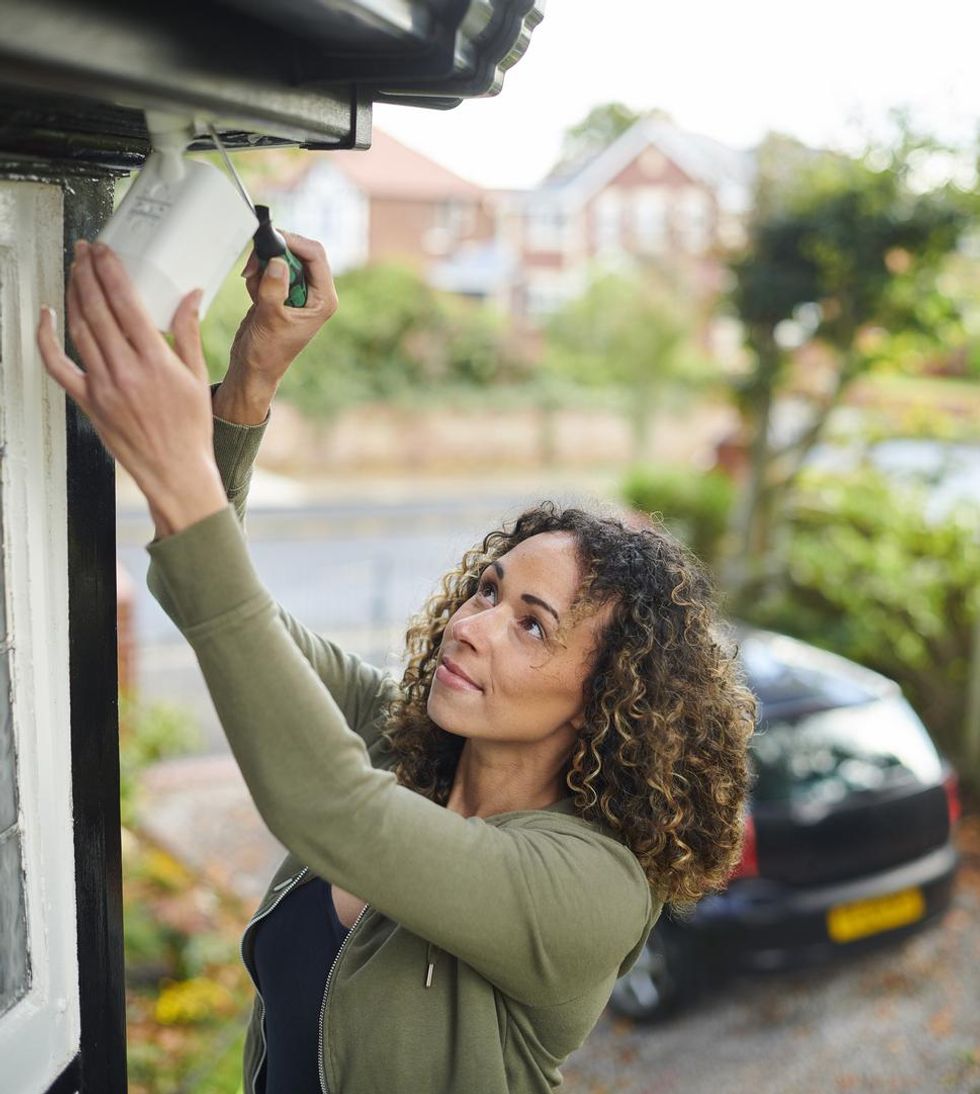 When DIY Makes Sense iStock
 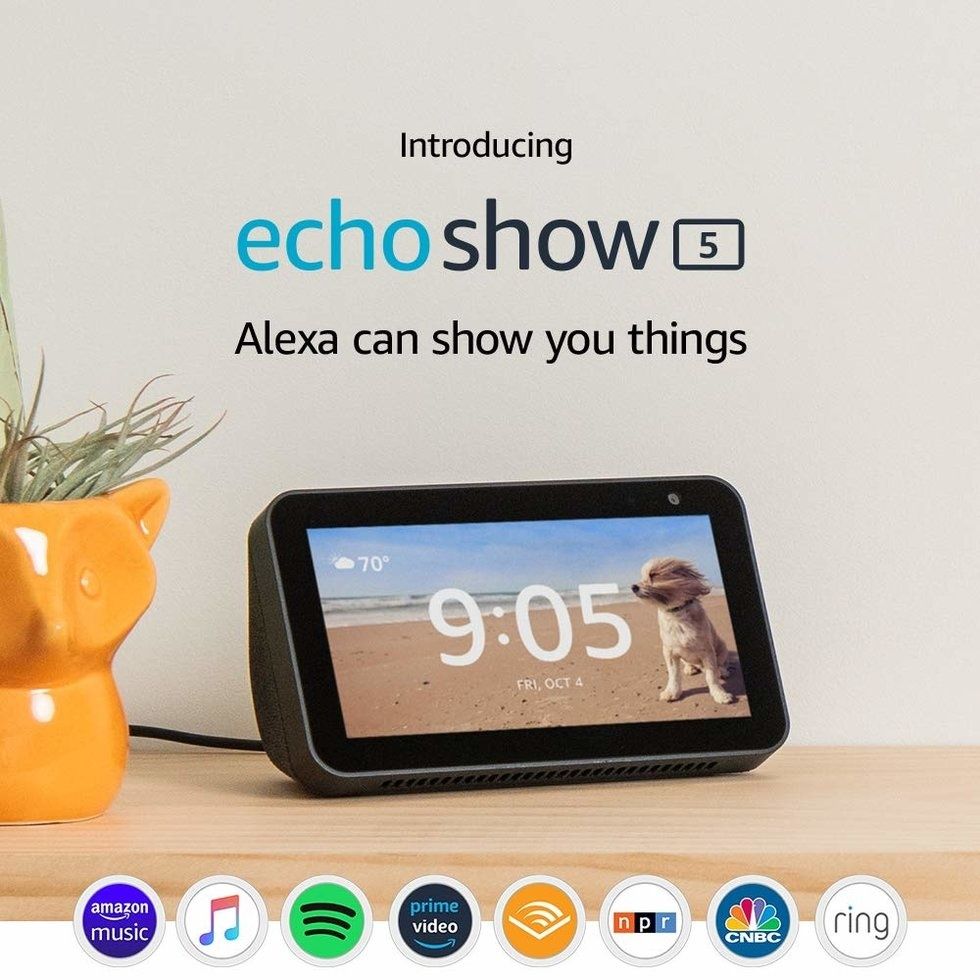 Free Amazon Echo Show 5 with Ring video doorbell.