The next major evolution in home networking is arriving sooner than many expected.
TP-Link has officially unveiled Archer 8, its first Wi-Fi 8 router platform built around the emerging IEEE 802.11bn standard. Scheduled to launch in October 2026, Archer 8 is designed to address one of the biggest challenges facing modern smart homes: delivering reliable, low-latency connectivity as the number of connected devices continues to grow.
While recent Wi-Fi generations have largely focused on increasing peak theoretical speeds, Wi-Fi 8 shifts attention toward something consumers often care about more—network consistency and reliability.
For homeowners managing dozens of smart devices, multiple streaming services, video calls, online gaming sessions, and work-from-home applications, Archer 8 represents TP-Link's vision for the future of premium home networking.
Here's everything you need to know before buying TP-Link's first Wi-Fi 8 router.
- YouTube Video Details About This Video TP-Link introduced Archer 8, its first router built on the upcoming Wi‑Fi 8 (IEEE 802.11bn) ...
What Is Wi-Fi 8?
Wi-Fi 8 is based on the upcoming IEEE 802.11bn wireless networking specification and is being developed to improve performance under real-world conditions rather than simply chasing higher peak speeds.
Today's homes often contain:
As device counts increase, networks can become congested, leading to slower speeds, unstable connections, poor mesh performance, and frustrating latency spikes.
Wi-Fi 8 aims to solve these challenges by improving network operation in crowded environments and delivering more consistent performance throughout the home.
The Problems Archer 8 Is Designed to Solve
 Side view of Archer 8TP-Link
According to TP-Link, Archer 8 was specifically engineered to address several common networking frustrations consumers experience today:
Inconsistent Wi-Fi Coverage
Many homeowners experience strong performance near their router but weaker speeds in distant rooms or upstairs areas. Archer 8 is designed to maintain stronger connectivity across larger spaces.
Network Congestion
As dozens of devices compete for bandwidth simultaneously, traditional networks can become overloaded. Wi-Fi 8 introduces technologies intended to better manage crowded network environments.
Mesh Roaming Issues
Users with mesh networks sometimes experience interruptions when moving between access points. Archer 8 includes improvements designed to create more seamless transitions throughout the home.
Gaming and Streaming Latency
Latency spikes can ruin online gaming sessions, create buffering during streaming, or cause interruptions during video calls. Lower latency is one of the primary goals behind Wi-Fi 8's development.
TP-Link's Vision for Wi-Fi 8
TP-Link believes the future of wireless networking isn't just about speed.
As Jeff Barney, President of TP-Link Systems Inc., explained:
"For years, Wi-Fi innovation has been measured by peak theoretical speeds," said Jeff Barney, President of TP-Link Systems Inc. "But what users actually care about is consistency. Archer 8 is designed to deliver exactly that: lower latency, better performance under interference, and more stable connectivity in real world environments."
That philosophy serves as the foundation for Archer 8's design and feature set.
Real-World Wi-Fi 8 Performance Improvements
Backside view of Archer 8TP-Link
TP-Link conducted internal lab testing comparing early Wi-Fi 8 implementations against Wi-Fi 7 under simulated home networking conditions.
The results suggest Wi-Fi 8 may provide significant benefits beyond simply increasing maximum throughput.
Up to 33% Higher Throughput
Enhanced modulation and coding technologies help maintain higher, more stable speeds, particularly at greater distances from the router.
Up to 24% Higher Throughput Under Variable Signal Conditions
Unequal modulation technologies improve performance when signal quality differs across wireless streams, helping maintain more consistent connectivity.
Up to 15% Better Multi-Access Point Performance
Enhanced spatial reuse coordination helps neighboring access points operate more efficiently, particularly in environments where interference is common.
Stronger Multi-Floor Coverage
TP-Link reports:
- Up to 30% signal-performance improvement for single-device connections
- 10–20% improvement in multi-device environments
These gains are enabled through advanced antenna architecture combined with AI-assisted network optimization.
Improved Receiver Sensitivity
Archer 8 delivers a reported 1–3 dB improvement in receive sensitivity across both 5 GHz and 6 GHz frequency bands.
This allows devices to maintain stronger connections and potentially extend usable coverage throughout the home.
Low Latency Designed for Modern Connected Homes
Archer 8 offer broad coverageTP-Link
One of Archer 8's biggest advantages may be its focus on reducing latency.
Low latency has become increasingly important because today's networks support:
Even brief latency spikes can negatively impact these experiences.
By improving interference management, access point coordination, and overall network stability, Archer 8 is designed to keep latency consistently low, even when multiple devices are competing for bandwidth simultaneously.
For gamers, remote workers, and smart home enthusiasts, this could be one of the most meaningful benefits of Wi-Fi 8.
Premium Design Meets Advanced Engineering
TP-Link is positioning Archer 8 as a flagship networking platform.
The company says Archer 8 combines premium industrial design with advanced engineering innovations.
Key design highlights include:
- Minimalist architectural styling
- Precision contours
- Micro-ridge texturing
- Soft front-facing ambient lighting
- Premium construction materials
Behind the exterior design is a networking platform built around:
- Advanced thermal management
- Enhanced antenna architecture
- RF optimization technologies
- AI-assisted network intelligence
- Next-generation Wi-Fi 8 technologies
Together, these components are designed to improve reliability and deliver stronger real-world performance.
Who Should Consider Archer 8?
 Who Should Consider Archer 8? Brinks Home
Archer 8 may be particularly appealing for:
Smart Home Owners
Households with dozens of connected devices can benefit from improved network stability and better device management.
Gamers
Lower latency and reduced network congestion can create a more responsive gaming experience.
Remote Workers
Reliable video conferencing and cloud-based collaboration tools depend heavily on consistent network performance.
Large Homes
Multi-floor residences often struggle with coverage issues. Archer 8's enhanced antenna architecture is designed to improve performance throughout larger spaces.
Streaming Households
Families streaming multiple videos simultaneously may see fewer interruptions and more stable connections.
Archer 8 Pricing and Availability
TP-Link plans to launch Archer 8 in:
October 2026
The company has not yet announced official pricing.
Regional availability and final specifications will vary by market and are expected to be announced closer to launch.
Archer 8 Is Just the Beginning
TP-Link's Wi-Fi 8 strategy extends beyond a single router.
The company also announced plans for a complete Wi-Fi 8 ecosystem that will expand throughout 2027.
Upcoming Wi-Fi 8 Products
Archer 8 Router
Deco 8 Mesh System
Roam 8 Travel Router
Wi-Fi 8 Range Extenders and Adapters
This roadmap demonstrates TP-Link's commitment to bringing Wi-Fi 8 technology across multiple networking categories, allowing consumers to build an end-to-end Wi-Fi 8 ecosystem.
Final Thoughts
The Archer 8 represents more than just another router upgrade. It signals a shift in how wireless networking technology is evolving.
Rather than focusing solely on headline-grabbing speed numbers, TP-Link's first Wi-Fi 8 router emphasizes reliability, consistency, lower latency, stronger mesh performance, and improved real-world usability.
For consumers frustrated by network congestion, inconsistent coverage, smart home connectivity issues, or gaming latency, Wi-Fi 8 could deliver more meaningful benefits than previous generational upgrades.
If TP-Link's early testing results translate into real-world performance, Archer 8 may become one of the most important networking launches of 2026—and a preview of how future Wi-Fi technologies will prioritize user experience over raw speed alone.
As additional specifications and pricing details become available closer to launch, Archer 8 is shaping up to be a router worth watching for anyone planning their next home networking upgrade.
From Your Site Articles
Related Articles Around the Web
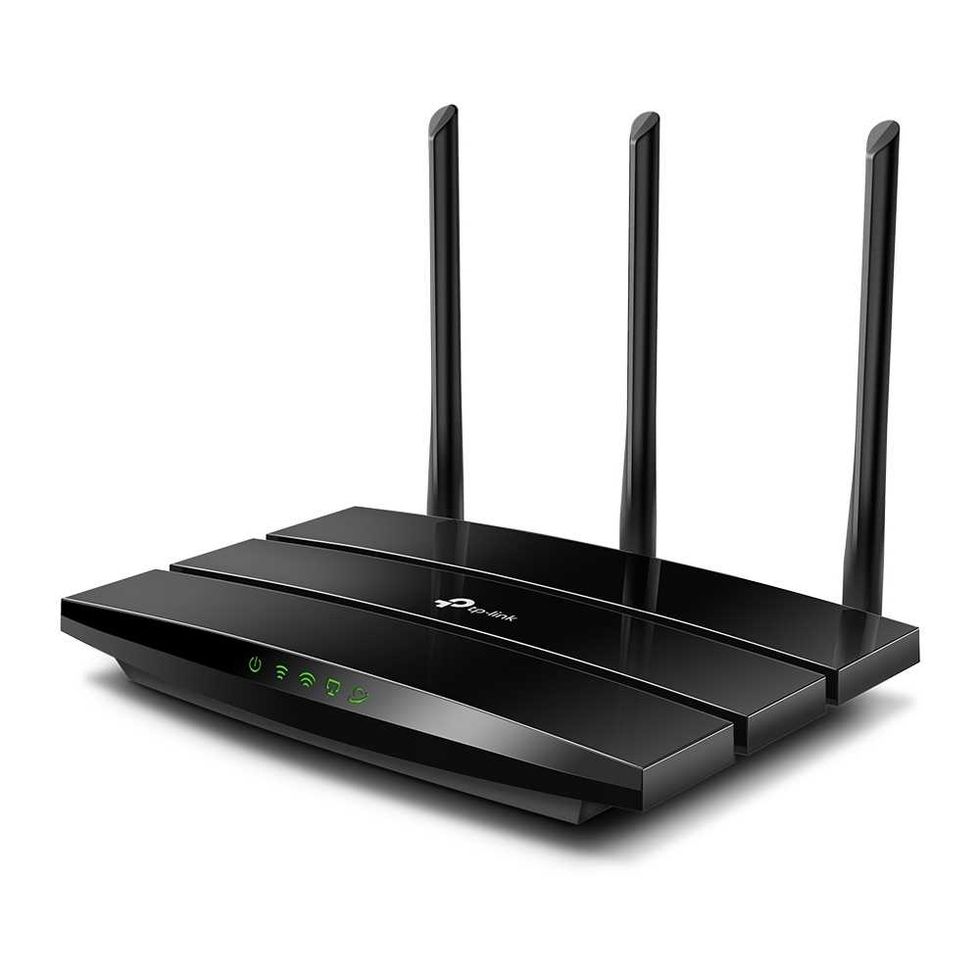 Side view of Archer 8TP-Link
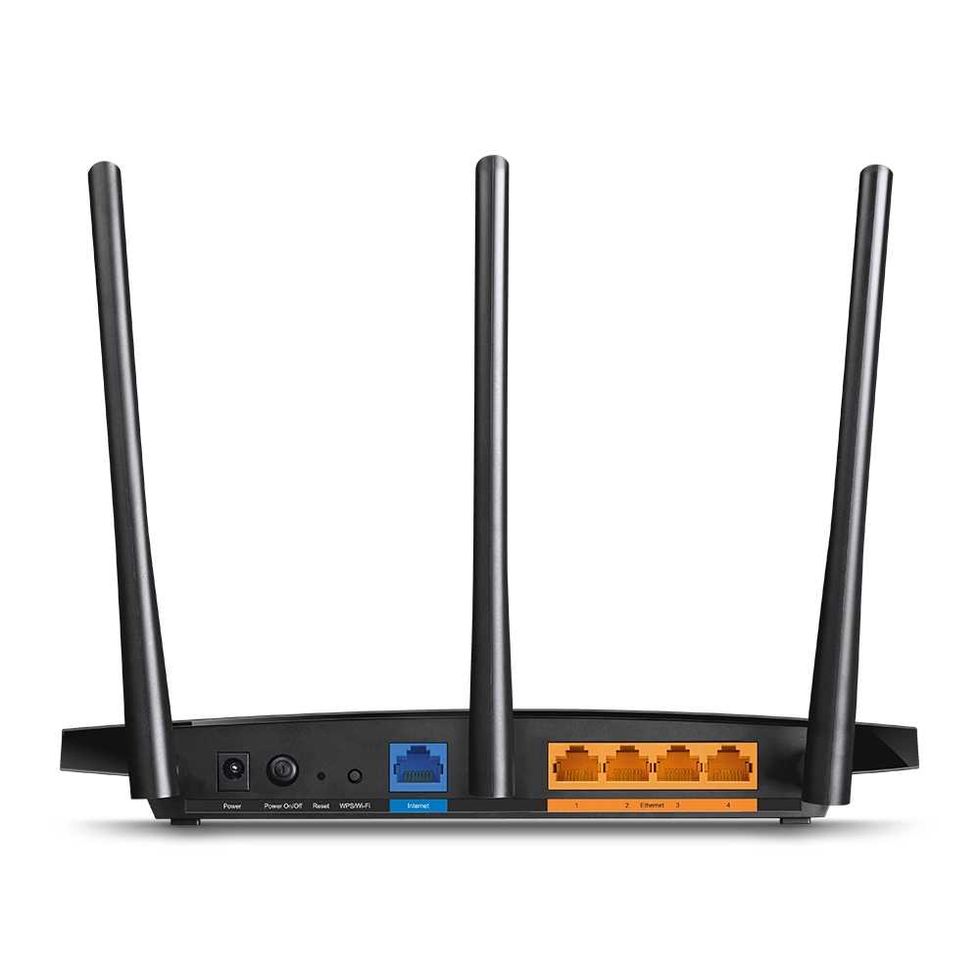 Backside view of Archer 8TP-Link
 Archer 8 offer broad coverageTP-Link
 Who Should Consider Archer 8? Brinks Home